
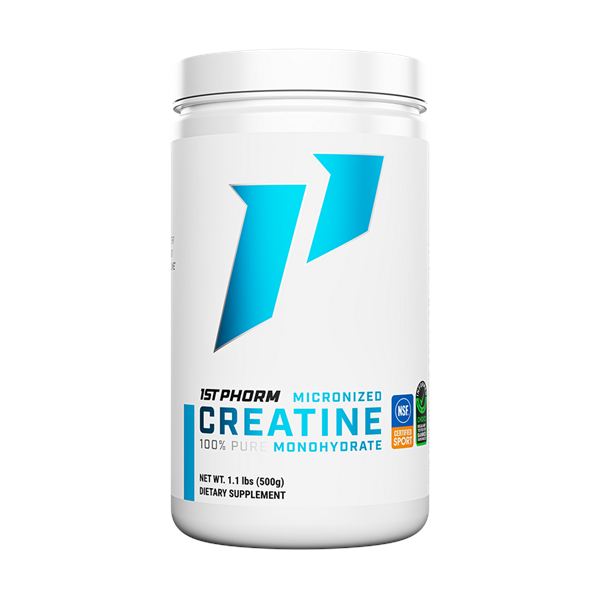
Micronized Creatine Monohydrate
Plain creatine monohydrate, the form the research uses. If I could keep one supplement, it's this one.
See it at 1st Phorm (opens in a new tab)Supplements are the smallest lever you have. Sleep, training, and protein do most of the work. Once those are in place, here's what's worth adding, ranked by evidence.
I'm sponsored by 1st Phorm, and I may earn a commission when you buy through my links, at no extra cost to you. I only list products I use myself or would give my own clients.
Creatine monohydrate. One of the most studied supplements in sports nutrition. With strength training, it supports gains in strength and lean mass. The International Society of Sports Nutrition found long-term use safe in healthy adults. Most people take 3 to 5 grams a day, every day, at any time.
Plain creatine monohydrate, the form the research uses. If I could keep one supplement, it's this one.
See it at 1st Phorm (opens in a new tab)Protein powder. Food first, but a shake makes your daily target easy to hit. A 2018 meta-analysis of 49 trials with 1,863 people found that during strength training, extra protein stopped adding lean mass at about 1.6 grams per kilogram of body weight per day. For a 200 pound person, that's about 145 grams a day.
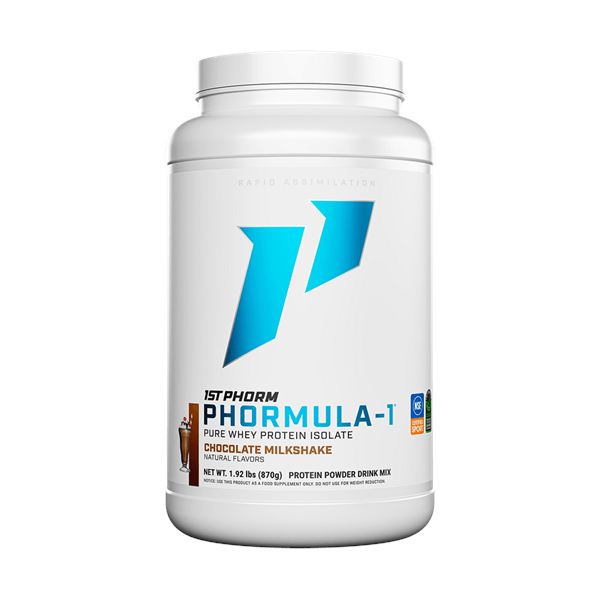
My everyday shake. Whey protein isolate, processed at low temperatures and micro filtered.
See it at 1st Phorm (opens in a new tab)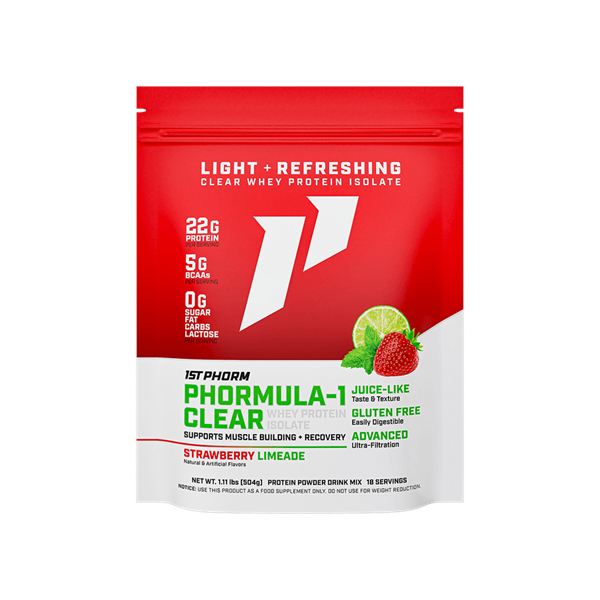
Light and juice-like, for when a milkshake is the last thing you want. Six ingredients.
See it at 1st Phorm (opens in a new tab)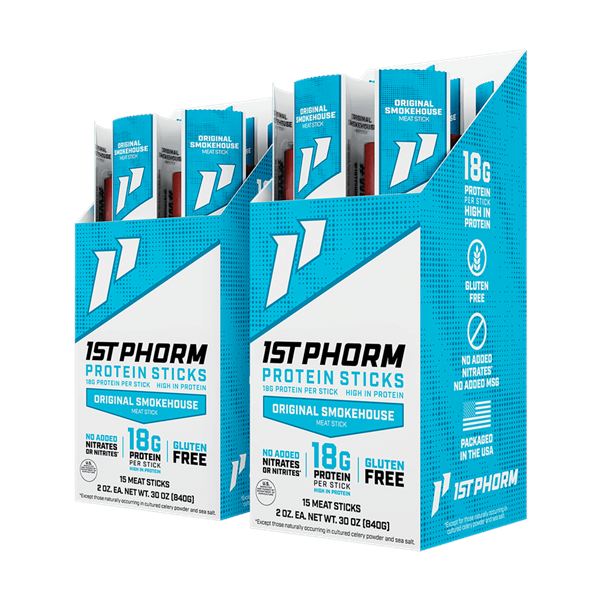
Lean beef and pork sticks from the United States. Protein that lives in your bag or your desk.
See it at 1st Phorm (opens in a new tab)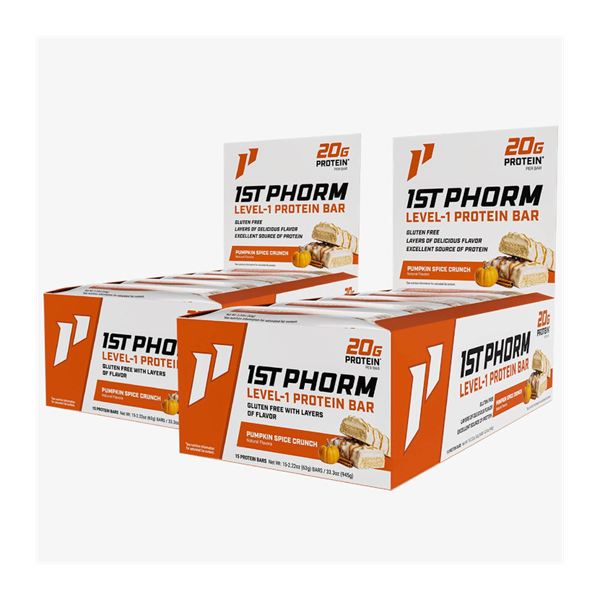
For travel days and long meetings, when a real meal isn't happening.
See them at 1st Phorm (opens in a new tab)Vitamin D. Low levels are common in people who work indoors. Test first, then supplement to your number with your doctor's input.
Omega-3s. Worth considering if you rarely eat fatty fish. Pick a brand with third-party testing.
Caffeine. A proven training aid. The ISSN position stand found 3 to 6 milligrams per kilogram of body weight improves performance, most often taken about an hour before training. The minimum effective dose may be as low as 2 milligrams per kilogram. Start low, and cut it off early enough to protect your sleep.
Electrolytes. Useful if you sweat heavily or train in the heat.
Magnesium. Almost half of US adults get less magnesium from food than they need. If your diet is light on greens, beans, nuts, and whole grains, this is an easy gap to close.
Daily nutrient pack. For busy weeks when meals get skipped. In national survey data, adults who took a multivitamin most days had far fewer nutrient gaps, though calcium, magnesium, and vitamin D often stayed short.
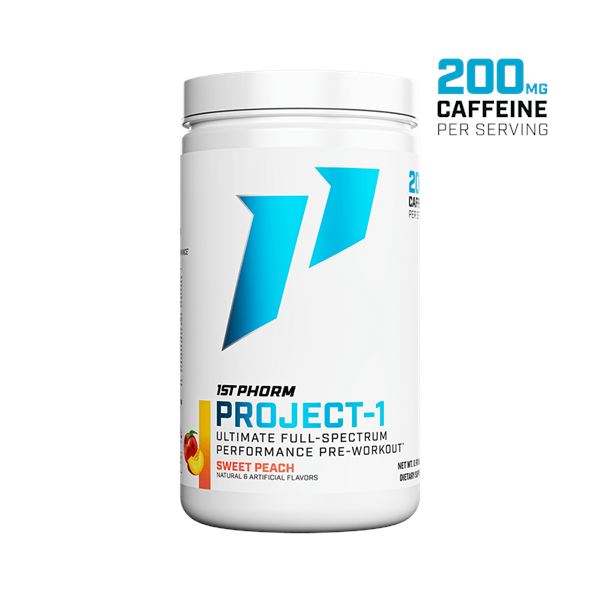
My pre-workout. 200 milligrams of caffeine per serving, about 2.5 milligrams per kilogram for a 175 pound person, inside the range the research supports.
See it at 1st Phorm (opens in a new tab)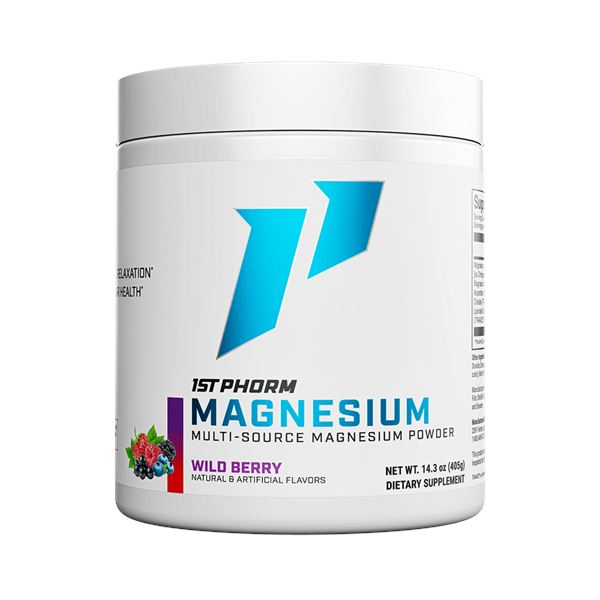
A drink mix with four forms of magnesium: bisglycinate, citrate, malate, and oxide.
See it at 1st Phorm (opens in a new tab)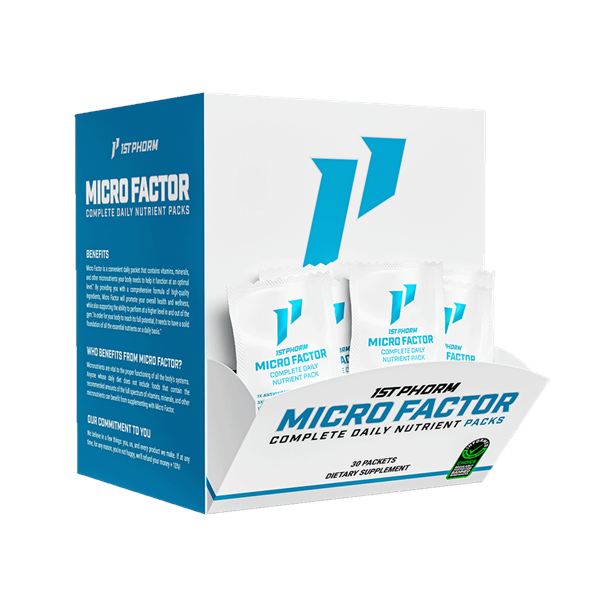
Vitamins, minerals, a probiotic, antioxidants, and CoQ10 in one daily packet.
See it at 1st Phorm (opens in a new tab)These have good early research behind them, but smaller studies. I use them, and I'll tell you exactly how strong the evidence is.
Collagen. Collagen isn't a complete protein, so it doesn't replace your shake. In a 12 week trial of 53 older men lifting three times a week, 15 grams of collagen peptides a day led to more lean mass, more strength, and more fat loss than a placebo.
Colostrum. The first milk a cow produces, rich in immune proteins. A 2016 review of five small trials in people who train regularly found about 44 percent fewer days with upper respiratory symptoms. The trials were small, so I call this promising, not proven.
Joint support. In a small 8 week pilot study, trained men with joint pain from training took Cissus quadrangularis, and their joint pain scores fell about 31 percent. There was no placebo group, so treat it as early evidence.
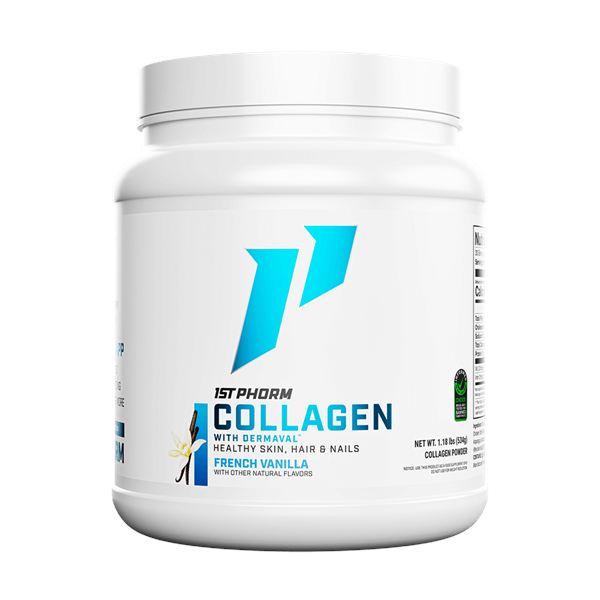
Collagen peptides that mix into coffee or a shake.
See it at 1st Phorm (opens in a new tab)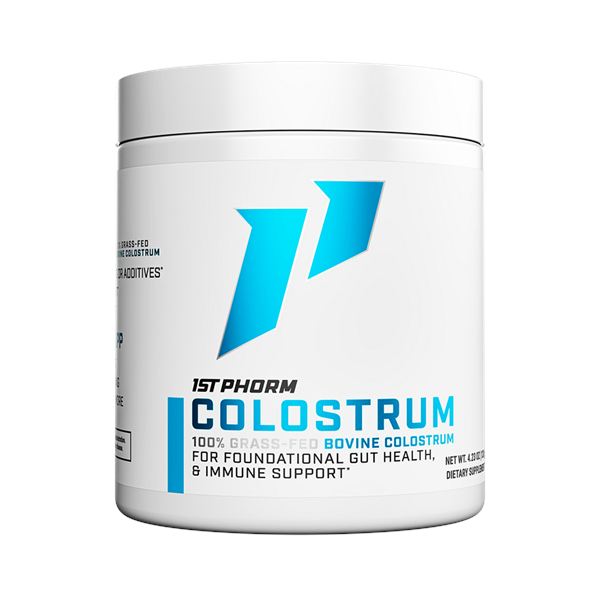
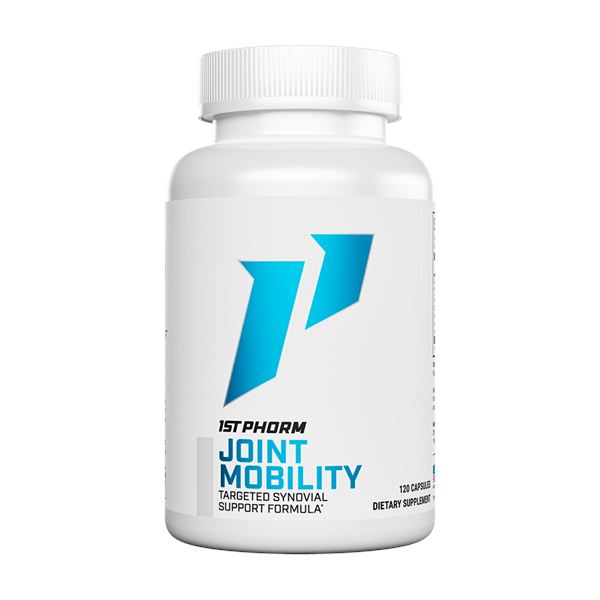
Built on Cissus quadrangularis and an Andrographis extract. Shellfish free.
See it at 1st Phorm (opens in a new tab)Talk to your doctor before starting any supplement, especially if you take medication, are pregnant, or have a medical condition. These statements have not been evaluated by the Food and Drug Administration. These products are not intended to diagnose, treat, cure, or prevent any disease.
Checked against PubMed.